

Late-Summer Chevrolet Maintenance Checklist for Lafayette, Indiana Drivers
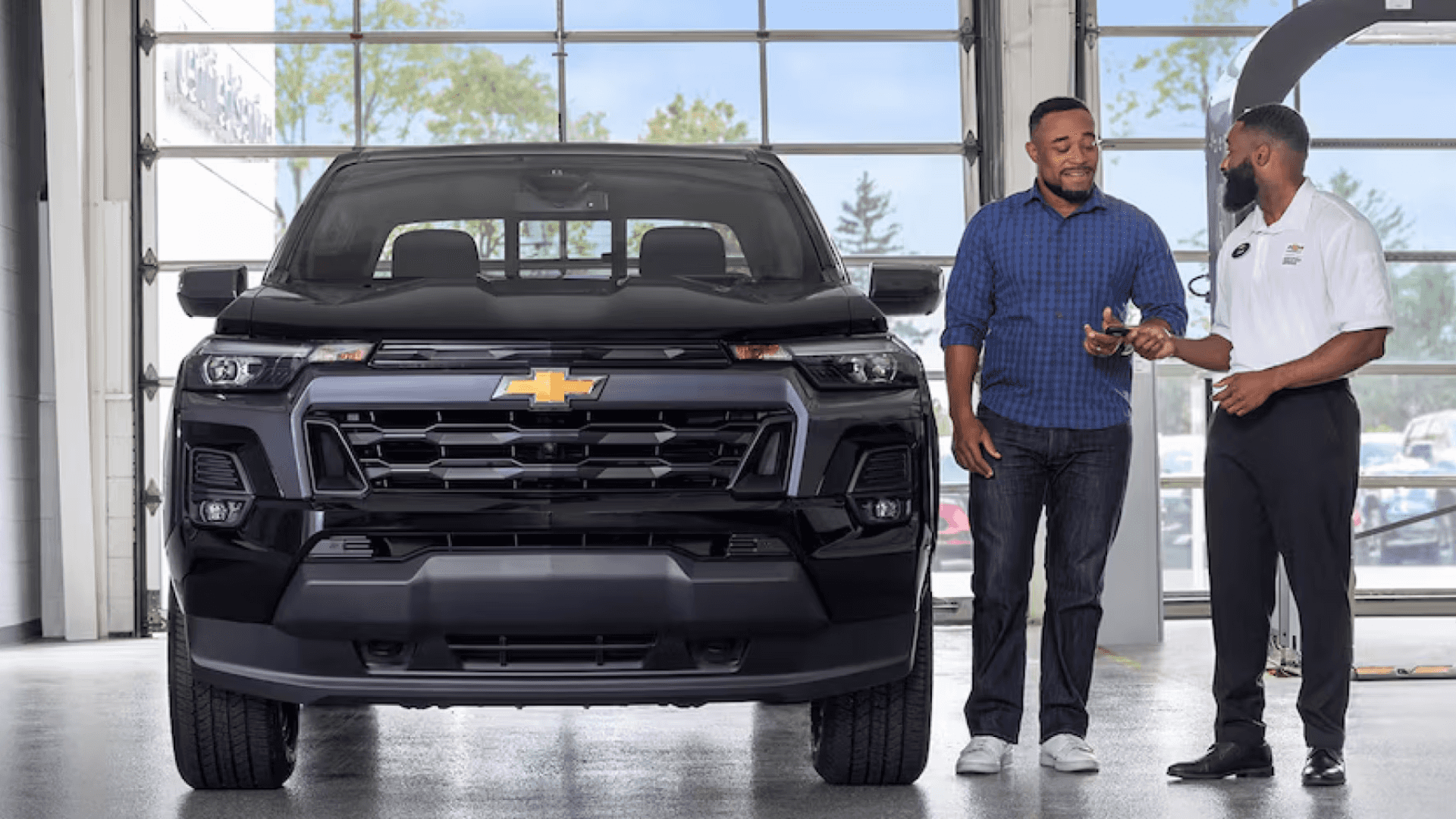
Late summer is a good time for Lafayette drivers to take a closer look at their Chevrolet before Indiana weather begins shifting toward fall. Heat, road trips, summer construction, stop-and-go traffic, and extra driving can all add wear throughout the season.
A late-summer maintenance check can help identify issues before colder mornings, shorter days, rain, falling leaves, and eventually winter conditions become part of the daily drive.
The exact maintenance needs of your Chevrolet depend on its model, model year, mileage, powertrain, driving conditions, and service history. Use this checklist as a starting point, then follow the maintenance guidance for your specific vehicle.
Late-Summer Chevrolet Maintenance Checklist
- Check tire pressure and tread condition
- Pay attention to brake performance
- Review engine oil and applicable fluids
- Check the battery or electrical system
- Inspect windshield wipers
- Top off washer fluid
- Check headlights and exterior lighting
- Test air conditioning, heat, and defogging
- Review dashboard warning lights
- Look for unusual noises, leaks, or changes in vehicle operation
1. Check Your Tires Before Temperatures Begin to Drop
Summer heat can be demanding on tires, especially if your Chevrolet has spent the season on highways, construction zones, gravel roads, or long road trips.
Inspect all four tires for:
- Proper inflation
- Uneven tread wear
- Low tread
- Visible cracking or damage
- Objects embedded in the tread
Use the tire-pressure recommendation provided for your specific vehicle rather than relying on the maximum pressure printed on the tire sidewall.
Tire pressure can also change as outdoor temperatures change, making late summer a useful time to establish a habit of checking it regularly.
2. Pay Attention to Brake Performance
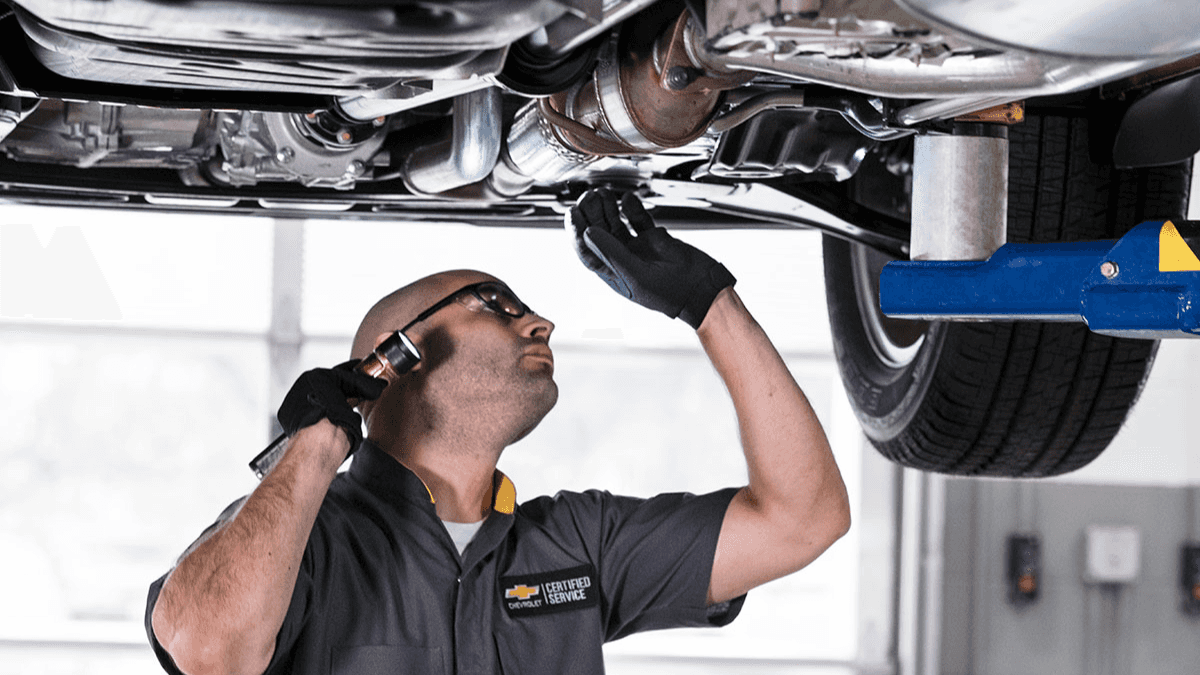
Brakes are another area where small changes can be easy to ignore during everyday driving.
Have the braking system inspected if you notice:
- Squealing or grinding noises
- Changes in brake-pedal feel
- Vibration during braking
- The vehicle pulling while stopping
- A brake-related warning light
- Longer or unusual stopping behavior
Do not wait for a brake concern to become severe before having it evaluated.
3. Review Engine Oil and Applicable Fluids
Fluid requirements vary significantly by vehicle and powertrain.
For gasoline-powered Chevrolet vehicles, check whether the vehicle is due for an oil change according to its maintenance information and oil-life monitoring system when equipped.
Other fluids may include:
- Engine coolant
- Brake fluid
- Windshield-washer fluid
- Transmission or drivetrain fluids
Do not assume that every vehicle follows the same maintenance schedule. Your owner’s information and vehicle-specific maintenance guidance should determine when service is needed.
4. Look for Leaks or Unusual Odors
Take a moment to look underneath the vehicle after it has been parked.
If you notice a new fluid spot, unusual odor, smoke, or another change that you cannot identify, it may be worth having the vehicle inspected.
Some condensation from the air-conditioning system can be normal, but unexplained fluid leaks should not automatically be assumed to be harmless.
5. Check the Battery Before Cold Weather Arrives
Battery concerns often become more noticeable when temperatures begin to fall.
If your Chevrolet has been slow to start, has displayed electrical warnings, or has shown other unusual electrical behavior, late summer is a good time to address the problem rather than waiting for a colder morning.
Battery systems vary between gasoline-powered vehicles, hybrids, and EVs, so testing and diagnosis should be appropriate for the specific vehicle.
6. Listen for Changes Under the Hood
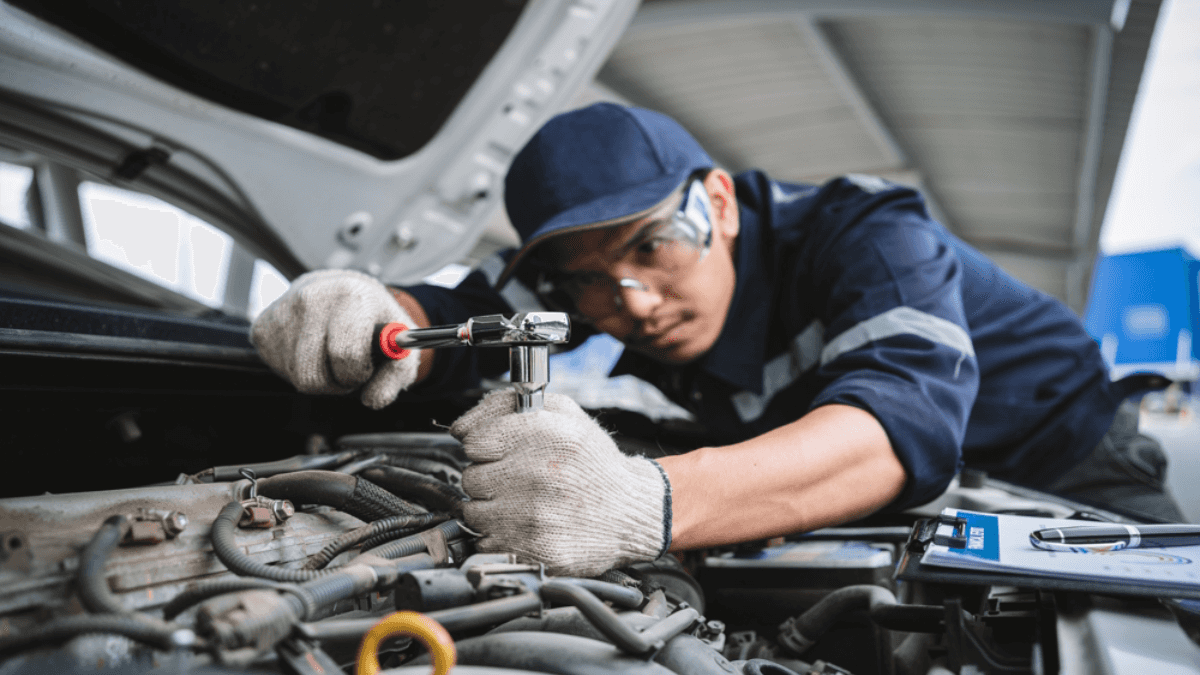
Drivers often become familiar with the normal sounds their vehicle makes. If something suddenly sounds different, pay attention.
Examples may include:
- New rattling noises
- Squealing
- Knocking or tapping
- Unusual vibration
- Changes during acceleration
- Sounds that appear only when the air conditioning is running
A new noise does not automatically indicate a major problem, but identifying the source early can help determine whether service is needed.
7. Inspect Windshield Wipers and Washer Fluid
Hot summer temperatures and sunlight can wear down windshield-wiper blades.
If the blades streak, chatter, skip, or leave portions of the windshield unclear, replacement may be needed.
Also check the windshield-washer fluid before fall rain and colder weather become more common.
8. Clean the Windshield, Mirrors, Cameras, and Sensors
Late summer road dust, bugs, construction debris, and rain residue can reduce visibility.
Clean:
- The inside and outside of the windshield
- Side windows
- Rear glass
- Exterior mirrors
- Backup-camera lenses
- Other exterior cameras or sensor areas when equipped
Good visibility becomes increasingly important as daylight hours begin shortening.
9. Check Headlights and Exterior Lighting
Fall brings earlier sunsets and more nighttime driving for many Indiana commuters.
Check:
- Low-beam headlights
- High beams
- Brake lights
- Turn signals
- Hazard lights
- Reverse lights
Replacing a failed bulb or addressing a lighting problem now is easier than discovering it after dark.
10. Test the Air Conditioning, Heat, and Defogging System
August may still require strong air conditioning, but cooler mornings are coming.
Test both sides of the climate system before the season changes.
Make sure:
- Air conditioning produces cool air
- Heat produces warm air
- Fan speeds operate properly
- Airflow changes between vents as expected
- The windshield defogging or defrost function works
A climate system that struggles to clear the windshield can become more than a comfort issue once cooler and wetter weather arrives.
11. Do Not Ignore Dashboard Warning Lights
If your Chevrolet displays a warning light or vehicle message, determine what it means rather than simply waiting for it to disappear.
Some indicators are maintenance reminders. Others may point to a system that needs inspection.
Review the information for your specific Chevrolet or have the vehicle evaluated if you are unsure what a warning means.
12. Consider How Much You Drove This Summer
Your vehicle may have accumulated more mileage than usual during summer.
Think about whether you:
- Took long road trips
- Towed a trailer or camper
- Spent more time on highways
- Drove through construction areas
- Carried heavier cargo
- Used the vehicle for frequent family travel
Higher mileage or more demanding use may mean your next maintenance need arrives sooner than expected.
13. Trucks May Need a Different Kind of Inspection
Chevrolet truck owners should consider how the truck was used throughout the summer.
A Silverado or Colorado used for towing, hauling, jobsites, gravel roads, or other demanding conditions may deserve additional attention beyond a normal commuter inspection.
Consider the condition of:
- Tires
- Brakes
- Hitch and trailering equipment
- Lighting connections
- Suspension-related components
- Fluid levels where applicable
Always follow the maintenance information for the specific truck and its actual use.
14. EV Maintenance Is Different, But It Still Matters
A fully electric Chevrolet does not require a traditional engine oil change, but that does not mean an EV is maintenance-free.
EV owners should still pay attention to vehicle-specific maintenance items such as:
- Tires
- Brakes
- Windshield wipers
- Washer fluid
- Exterior lighting
- Climate systems
- Vehicle-specific fluids and components
- Warning messages or system alerts
Follow the maintenance information provided for your specific Chevrolet EV rather than applying a gasoline-vehicle service schedule to it.
15. Think Ahead to Indiana Fall Driving
Late-summer maintenance is really about preparing for what comes next.
Fall driving around Lafayette and West Lafayette may bring:
- Cooler mornings
- More rain
- Wet leaves
- Earlier sunsets
- Changing tire pressure
- Heavier school and Purdue-area traffic
Taking care of basic maintenance before those conditions arrive can help you enter fall with a better understanding of your vehicle’s condition.
When Should You Schedule Chevrolet Service?
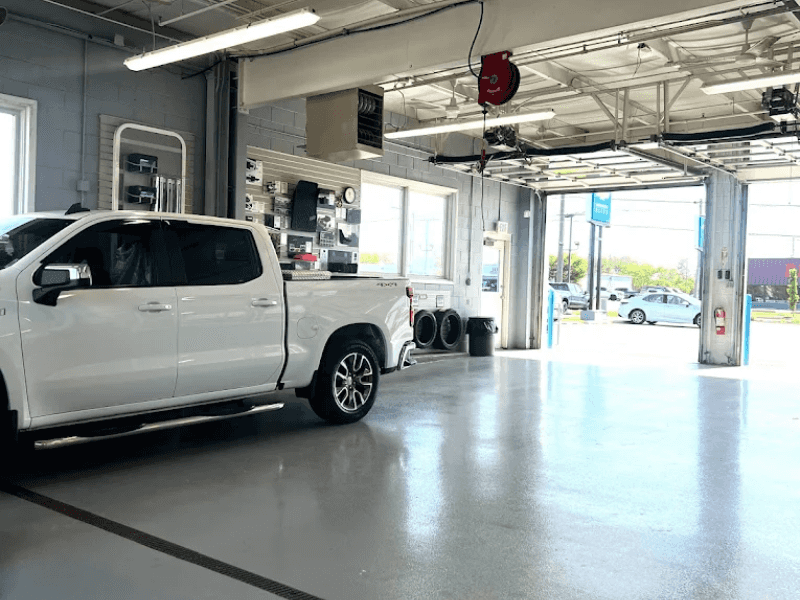
A basic inspection at home can help you notice obvious issues, but some maintenance and repairs require professional service.
Consider scheduling an appointment if:
- Your Chevrolet is due for recommended maintenance
- A dashboard warning light is illuminated
- The brakes feel or sound different
- Tires show unusual wear
- The vehicle is difficult to start
- You notice an unexplained leak
- The climate system is not working properly
- You hear a new or unusual noise
- The vehicle handles differently than normal
DeFOUW Chevrolet provides Chevrolet maintenance and service resources for drivers throughout Lafayette, West Lafayette, Tippecanoe County, and surrounding Indiana communities.
Visit the DeFOUW Chevrolet Service Center for additional information or schedule your next appointment online.
Late-Summer Maintenance for Lafayette Drivers
Vehicle maintenance does not have to wait for winter preparation.
Late summer creates a useful checkpoint between the demands of summer driving and the changing conditions of fall.
For Lafayette and West Lafayette drivers, checking tires, brakes, visibility, fluids, lighting, battery condition, and climate-system operation now can help identify concerns before they become more inconvenient later in the season.
Frequently Asked Questions About Late-Summer Chevrolet Maintenance
What maintenance should I check at the end of summer?
Review tires, brakes, applicable fluids, windshield wipers, washer fluid, exterior lighting, battery condition, climate-system operation, and any dashboard warnings. Follow the maintenance guidance for your specific vehicle.
Why should I check tire pressure before fall?
Tire pressure can change as outdoor temperatures change. Checking pressure and tire condition before cooler weather arrives can help you identify inflation or wear concerns early.
Should I have my brakes checked before fall?
If you notice unusual sounds, vibration, changes in pedal feel, pulling, warning lights, or other differences in braking performance, the system should be inspected.
Does my Chevrolet need an oil change before fall?
That depends on your specific vehicle, mileage, oil-life information, service history, and maintenance schedule. Follow the recommendations for your Chevrolet rather than changing oil solely because the season is changing.
Does a Chevrolet EV need seasonal maintenance?
Yes. EVs have different maintenance requirements than gasoline-powered vehicles, but tires, brakes, wipers, lighting, climate systems, visibility, and other vehicle-specific components still require attention.
Why should I test the heater during summer?
Testing the heating and defogging systems before colder weather arrives gives you an opportunity to identify a problem before you depend on those systems during fall or winter.
Should I schedule service if a dashboard warning light comes on?
Determine what the warning means using the information for your specific vehicle. Some warnings require prompt attention, while others may be maintenance reminders. Have the vehicle evaluated if you are unsure.
Where can I schedule Chevrolet maintenance in Lafayette, Indiana?
DeFOUW Chevrolet provides an online service scheduling form for Chevrolet drivers in Lafayette, West Lafayette, and surrounding Indiana communities.
Prepare Your Chevrolet for the Next Season
Your Chevrolet does not know that summer is ending, but the conditions around it are about to change.
Checking maintenance now can help you identify worn tires, brake concerns, visibility problems, battery issues, overdue service, or other items before fall weather and busier schedules arrive.
If your Chevrolet needs attention, schedule service with DeFOUW Chevrolet in Lafayette.
Visit the DeFOUW Chevrolet Service Center
This checklist provides general vehicle-care information and does not replace the maintenance schedule, safety instructions, or diagnostic recommendations for your specific vehicle. Maintenance requirements vary by model, model year, mileage, powertrain, driving conditions, and vehicle history.

0 comment(s) so far on Late-Summer Chevrolet Maintenance Checklist for Lafayette, Indiana Drivers