

Planning an Indiana Road Trip? Get Your Chevrolet Ready
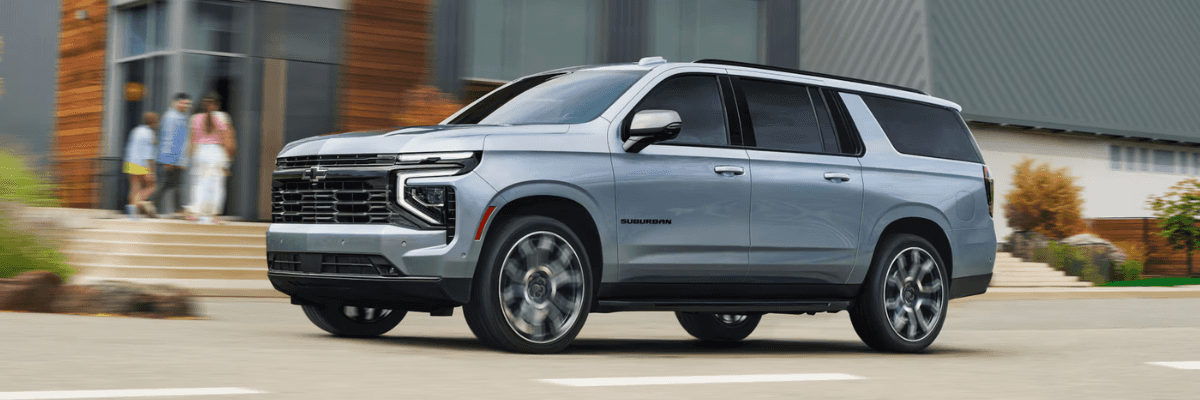
A summer drive across Indiana can turn into a long day quickly when your vehicle is not prepared. Before loading the luggage, choosing a playlist and heading out of Lafayette, take time to check the parts of your Chevrolet that help keep the trip comfortable and dependable.
This Indiana road trip checklist covers tires, fluids, brakes, the battery, air conditioning and other items that should be reviewed before a longer drive. Your Chevrolet Owner’s Manual and vehicle maintenance schedule should always guide the services required for your specific model.
Quick Chevrolet Road Trip Checklist
- Review your maintenance schedule and Oil Life System
- Check tire pressure, tread and visible tire condition
- Inspect the spare tire and roadside tools
- Check engine oil, coolant and applicable fluid levels
- Test the battery and charging system
- Inspect brakes, lights, wipers and air conditioning
- Check for open vehicle safety recalls
- Pack an emergency roadside kit
Start with Your Chevrolet Maintenance Schedule
Before a road trip, check whether your Chevrolet is approaching a scheduled maintenance interval. Your Owner’s Manual provides model-specific recommendations, while features such as the Oil Life System can help you monitor when an oil change may be needed.
Do not assume every vehicle needs an oil change simply because a trip is coming up. Instead, review the vehicle’s current mileage, dashboard maintenance information and recent service history. If service will become due during the trip, completing it before leaving may be more convenient than finding a service center away from home.
The Chevrolet service interval guide from DeFOUW Chevrolet can help you understand common maintenance milestones, but the schedule for your specific vehicle should remain the final guide.
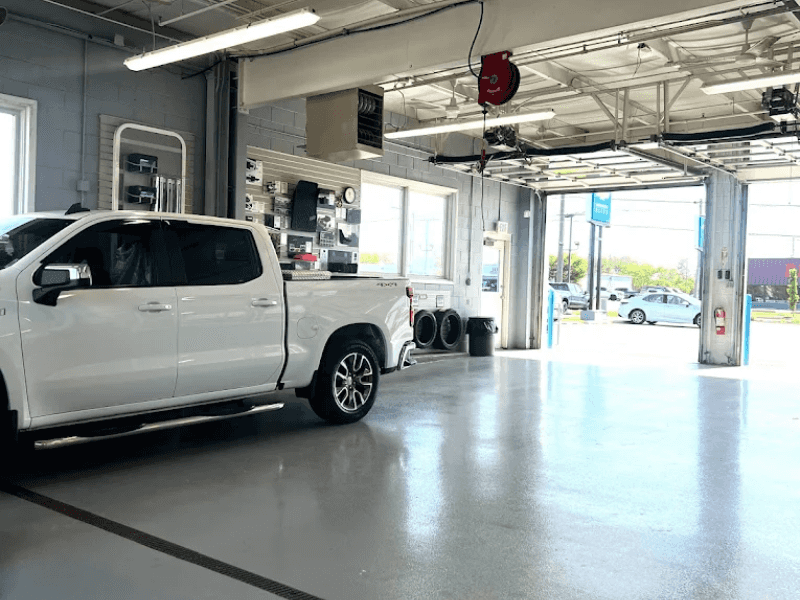
Check Your Tires Before a Long Drive
Tires should be checked when they are cold, which generally means the vehicle has been parked for at least three hours. Use the recommended pressure listed on the driver-side door pillar, door frame or in the Owner’s Manual.
Do not use the maximum pressure printed on the tire sidewall as the recommended pressure for your vehicle. The correct pressure can vary by model and tire configuration.
Before leaving, inspect each tire for:
- Low or uneven tire pressure
- Cuts, cracks, bulges or punctures
- Uneven tread wear
- Objects lodged in the tread
- Tread that appears unusually low
- Recurring tire-pressure warnings
Remember to check the spare tire when your vehicle is equipped with one. Make sure the jack, lug wrench and other tire-changing equipment are also present and accessible.
Tire Pressure
Check all tires when cold and inflate them to the pressure specified by Chevrolet for your vehicle.
Tread Condition
Look across the full width of each tire. Uneven wear may indicate a need for rotation, alignment or further inspection.
Spare and Tools
Confirm that your spare tire or tire-inflator equipment is ready and that you know where the roadside tools are stored.
Check Oil, Coolant and Other Fluids
A longer trip places your vehicle on the road for more continuous miles than a typical day of errands. Check the applicable fluid levels before leaving, particularly if you have noticed warning messages, fluid spots under the vehicle or changes in performance.
Items that may need attention include:
- Engine oil
- Engine coolant
- Brake fluid
- Transmission fluid when owner-accessible
- Power-steering fluid on vehicles with hydraulic steering
- Windshield-washer fluid
Always follow the instructions in the Owner’s Manual. Never remove a pressurized cooling-system cap while the engine is hot. If you notice a leak, an overheating message or an unexplained drop in fluid, have the vehicle inspected before beginning the trip.
Have the Battery and Charging System Checked
Heat can be hard on a vehicle battery, especially when the battery is already aging or has shown signs of weakness. A battery may still start the vehicle at home but struggle after a fuel stop, restaurant visit or overnight stay.
Possible signs of a battery or charging concern include:
- Slow engine cranking
- Clicking when attempting to start
- Interior or exterior lights that appear unusually dim
- A battery or charging-system warning
- Corrosion around the battery terminals
- Recent need for a jump-start
If you have noticed any of these symptoms, schedule a battery and charging-system check before traveling.
Do Not Ignore Brake Warning Signs
Your brakes should feel predictable and consistent. A road trip is not the time to hope that a new sound, vibration or warning message will resolve on its own.
Have your brakes inspected before leaving if you notice:
- Squealing, scraping or grinding noises
- A brake pedal that feels soft or unusually firm
- Vibration when braking
- The vehicle pulling while stopping
- A brake-system warning light
- A noticeable increase in stopping distance
A brake inspection may include reviewing brake-pad condition, rotors, fluid and other system components. The correct repair depends on what the inspection identifies.
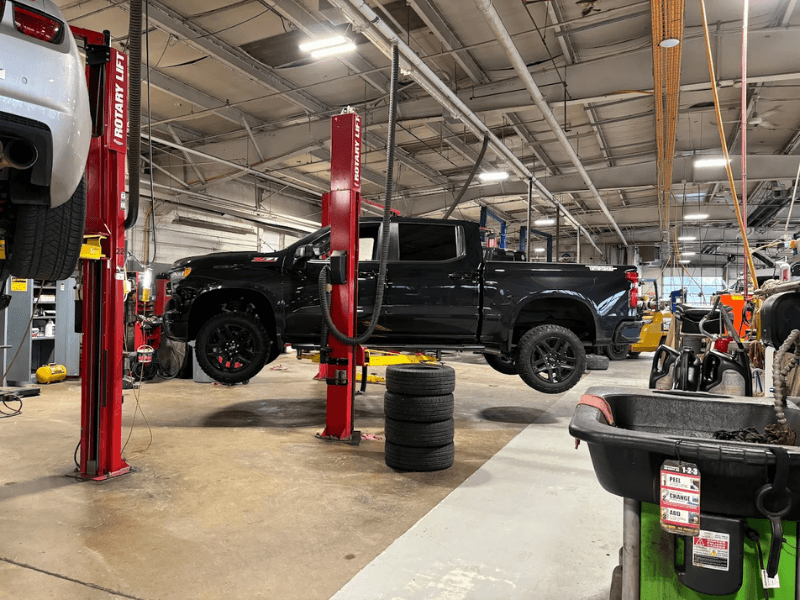
Test the Air Conditioning, Wipers and Lights
Comfort and visibility matter on a long drive. Test the air conditioning before departure rather than discovering a problem during a hot afternoon several hours from home.
If the airflow is weak, the cabin takes unusually long to cool or the air is not cold, schedule an inspection. A dirty cabin air filter can also reduce airflow and may need replacement according to the vehicle’s maintenance needs.
Check your windshield wipers for cracking, streaking, chattering or missed areas. Fill the windshield-washer reservoir and clean the windshield before leaving.
Ask someone to help you verify the operation of:
- Headlights
- Brake lights
- Turn signals
- Emergency flashers
- Reverse lights
- Trailer lights when towing
Consider a Multi-Point Vehicle Inspection
A pre-trip inspection can be helpful when you are unsure about the vehicle’s current condition or when several maintenance items need to be checked at once.
DeFOUW Chevrolet lists tires, wiper blades, fluid levels, brakes and the battery among the items reviewed during its multi-point vehicle inspection. The technician can also identify visible concerns that may deserve additional testing or service.
It is better to schedule the inspection several days before departure when possible. That provides time to address any recommended repairs without creating last-minute pressure.
Check for Open Safety Recalls
Before traveling, use your vehicle identification number or license plate to check for open safety recalls. The National Highway Traffic Safety Administration provides a free online recall lookup tool.
You can search your vehicle through the NHTSA recall database. Recall repairs are completed without charge when the vehicle and repair are covered by the recall.
Review Your Chevrolet Roadside Assistance Options
Before leaving, confirm what roadside coverage is currently active for your Chevrolet. Depending on your vehicle and eligible OnStar plan, roadside assistance may be available through the blue OnStar button, the OnStar Guardian app, the myChevrolet mobile app or the vehicle’s infotainment system.
Eligible services may include assistance with a flat tire, jump-start, towing, a lockout or running out of fuel. Coverage, availability and service limitations depend on the active plan.
Review the OnStar and connected-services information before the trip so you know how to request help if it is needed.
Pack a Roadside Emergency Kit
Even a well-maintained vehicle can encounter a road hazard, severe weather or an unexpected delay. Keep an emergency kit where it can be reached without unloading the entire cargo area.
Communication and Safety
- Charged phone and charging cable
- First-aid kit
- Flashlight and spare batteries
- Reflective triangles or roadside flares
- Emergency contact information
Vehicle Supplies
- Jumper cables or a jump pack
- Tire-pressure gauge
- Work gloves
- Basic tools
- Extra windshield-washer fluid
Passenger Supplies
- Drinking water
- Nonperishable food
- Required medications
- Blankets or towels
- Paper maps as a backup
Plan the Route Before Leaving Lafayette
Check the weather, construction, road conditions and expected traffic before leaving. Review the route even when you plan to use vehicle navigation or a phone app.
Plan fuel or charging stops, meal breaks and driver changes before the trip begins. Allow extra time so delays do not create pressure to speed or drive while tired.
If you are carrying luggage, bicycles, a roof carrier or a trailer, make sure every item is properly secured. Confirm that the added passenger and cargo weight remains within the vehicle’s limits.
When Should You Schedule Service Before a Road Trip?
Schedule an inspection as soon as possible if your Chevrolet has:
- An active warning light or dashboard message
- A tire-pressure warning that keeps returning
- Fluid leaking beneath the vehicle
- New vibration, pulling or unusual noise
- Slow starting or recent battery trouble
- Braking concerns
- Weak air-conditioning performance
- Maintenance that will become due during the trip
Do not wait until the morning of departure when the vehicle is already showing a possible problem. Giving the service team time to inspect it can make the start of your trip much less stressful.
Prepare Your Chevrolet at DeFOUW Chevrolet
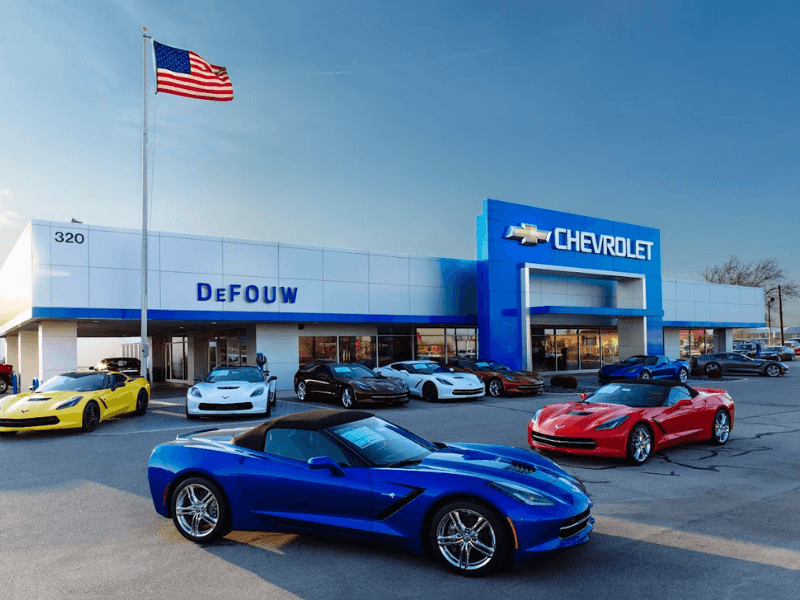
DeFOUW Chevrolet provides routine maintenance and vehicle inspections for Chevrolet drivers in Lafayette, West Lafayette and surrounding Indiana communities.
Before your next trip, review available Chevrolet service and parts specials or use the online service scheduler to request an appointment.
Give Yourself One Less Thing to Worry About
A pre-trip service visit can help identify tire, battery, brake, fluid or visibility concerns before your family is several hours from home.
Frequently Asked Questions
How soon before a road trip should I have my Chevrolet inspected?
Schedule the inspection several days before departure when possible. This provides time to complete any recommended maintenance or repairs before the trip.
Should I get an oil change before every road trip?
Not necessarily. Check the vehicle’s Oil Life System, mileage, recent service history and Owner’s Manual. If an oil change is due or will become due during the trip, completing it before leaving may be convenient.
What tire pressure should I use before a road trip?
Use the pressure specified on the driver-side door pillar, door frame or in the Chevrolet Owner’s Manual. Check the pressure when the tires are cold. Do not use the maximum pressure printed on the tire sidewall as the vehicle’s recommended setting.
What does a pre-trip vehicle inspection include?
The exact inspection may vary. DeFOUW Chevrolet lists tires, wiper blades, fluid levels, brakes and the battery among the items reviewed during its multi-point vehicle inspection.
Should I check my spare tire before traveling?
Yes. When your vehicle has a spare tire, check its pressure and condition. Also confirm that the jack, lug wrench and other required tools are present.
Can OnStar help if my Chevrolet breaks down?
Roadside Assistance is available with eligible OnStar plans. Depending on the active plan, assistance may be requested through the blue OnStar button, supported apps or the infotainment system. Services and limitations vary by plan.
What should I keep in a road-trip emergency kit?
Useful items include a phone charger, first-aid kit, flashlight, jumper cables, tire-pressure gauge, reflective warning devices, water, nonperishable food, required medication and extra windshield-washer fluid.
Vehicle maintenance requirements vary by model, model year, mileage, equipment and operating conditions. Always follow the maintenance schedule, warnings and safety instructions in the Chevrolet Owner’s Manual. Do not continue driving when the vehicle displays a serious warning, is overheating, has unsafe tires or brakes, or shows another condition that may make it unsafe to operate. Additional road-trip guidance is available from NHTSA and Chevrolet Vehicle Support.
Ask the DeFOUW Chevrolet Service Team
Tell the service team about your upcoming trip, current mileage and any vehicle concerns. They can help determine which inspection or maintenance services are appropriate for your Chevrolet.

0 comment(s) so far on Planning an Indiana Road Trip? Get Your Chevrolet Ready