

How Often Should You Rotate Your Tires in Indiana?
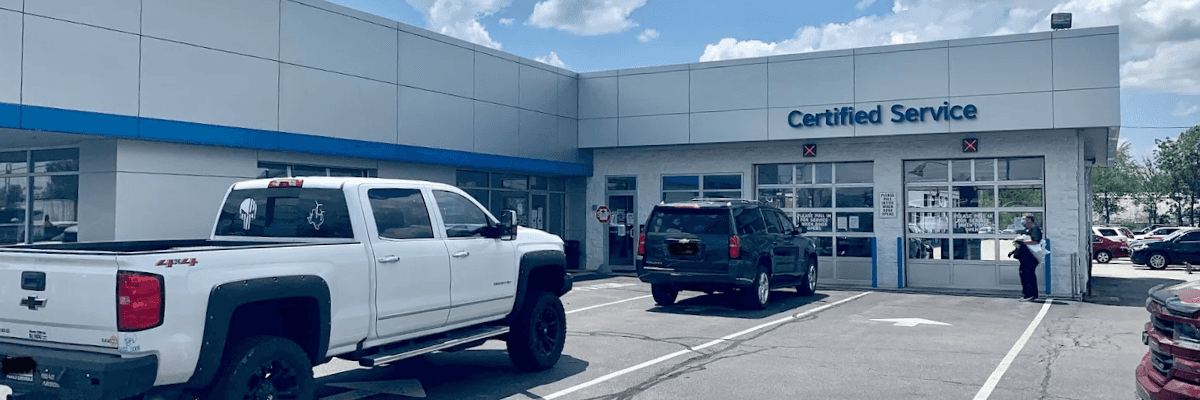
How often should you rotate your tires? Chevrolet generally recommends a tire rotation every 7,500 miles to help promote even tread wear. However, your vehicle’s Owner’s Manual should always be used for the maintenance schedule and rotation procedure specific to your model.
Regular tire rotation is a simple maintenance step, but it can make a meaningful difference in how evenly your tires wear. It also gives a service technician an opportunity to inspect tire pressure, tread depth and visible tire condition before a smaller concern becomes a larger problem.
When Should You Rotate Your Tires?
General Chevrolet guidance: Rotate your tires every 7,500 miles.
You may need a tire inspection sooner if you notice uneven tread wear, vibration, pulling, recurring pressure loss or visible tire damage. Always follow the maintenance schedule and instructions in your Chevrolet Owner’s Manual.
Why Is Tire Rotation Important?
Your tires do not all perform the same job. The front tires handle steering, and the amount of power and braking force placed on each tire can vary by drivetrain and vehicle design. This can cause tires in different positions to wear at different rates.
Rotating the tires moves them to different positions according to the pattern recommended for your vehicle. Over time, this can help distribute wear more evenly across the set.
More Even Tread Wear
Regular rotation helps reduce the chance that one or two tires will wear significantly faster than the others.
Better Use of Your Tire Set
When tires wear more evenly, you may be able to use the full set more effectively instead of replacing individual tires early because of irregular wear.
A Chance to Inspect the Tires
A rotation appointment creates an opportunity to check tread depth, tire pressure and visible signs of damage.
Does Indiana Driving Affect Tire Wear?
The recommended mileage interval does not automatically change simply because you live in Indiana. However, local driving conditions make regular tire checks especially worthwhile.
Indiana drivers may encounter freezing winter temperatures, summer heat, road construction, potholes and changing road conditions throughout the year. Temperature changes can also affect tire pressure. A regular rotation schedule helps ensure your tires are being inspected instead of relying only on how they look from the outside.
Drivers who spend a lot of time commuting between Lafayette, West Lafayette and nearby communities should also pay attention to mileage. A 7,500-mile interval can arrive sooner than expected when highway driving, daily errands and weekend travel are added together.
Signs Your Tires Should Be Checked Before 7,500 Miles
You do not need to wait for the next scheduled rotation if your tires appear or feel different. Schedule an inspection if you notice any of the following:
- One tire appears more worn than the others
- The inner or outer edge of a tire is wearing faster
- The steering wheel or vehicle vibrates on a smooth road
- The vehicle pulls to one side
- The tire-pressure warning returns after inflation
- You see cracks, cuts, bulges or exposed material
- You recently struck a large pothole or road hazard
- The vehicle has developed new tire or road noise
Some of these symptoms may point to a tire-balance, wheel-alignment, suspension or tire-damage concern rather than the need for rotation alone. A service inspection can help identify the appropriate next step.
What Happens During a Tire Rotation?
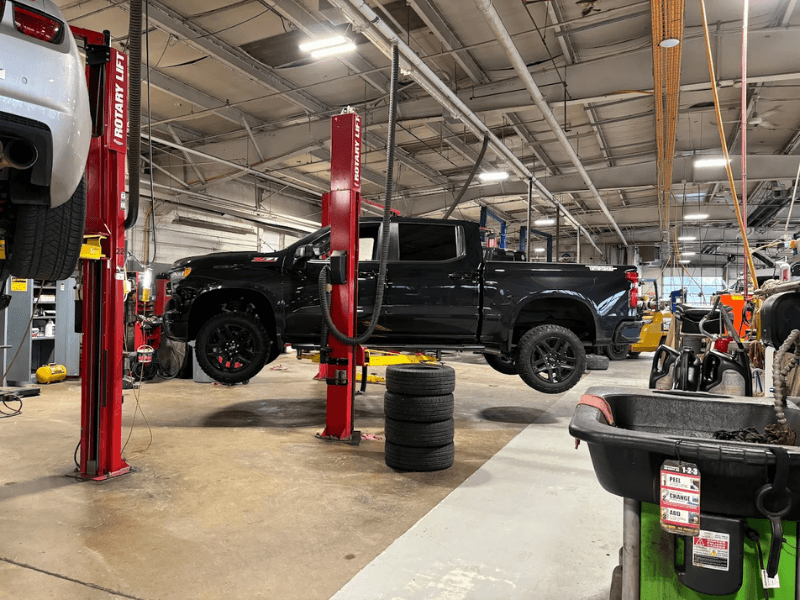
During a tire rotation, the tires are moved to new positions based on the vehicle’s drivetrain, tire configuration and manufacturer instructions. The exact pattern may differ between front-wheel-drive, rear-wheel-drive and all-wheel-drive vehicles.
A tire service visit may also include checks such as:
- Measuring tread depth
- Checking and adjusting tire pressure
- Looking for punctures or visible damage
- Checking for irregular tread wear
- Inspecting the tire sidewalls
- Reviewing whether balancing or alignment service may be needed
Rotation does not repair a damaged tire, correct an alignment problem or balance the wheel and tire assembly. Those are separate services that may be recommended when the inspection shows a specific concern.
Tire Rotation, Balancing and Alignment Are Different Services
Tire Rotation
Moves the tires to different positions on the vehicle to help distribute tread wear more evenly.
Tire Balancing
Corrects an uneven distribution of weight in the wheel and tire assembly. Balancing may be needed when a vehicle vibrates at certain speeds.
Wheel Alignment
Adjusts wheel angles to manufacturer specifications. Alignment may be recommended when a vehicle pulls, the steering wheel is off-center or the tires show certain uneven-wear patterns.
Can You Rotate Your Tires During an Oil Change?
For many Chevrolet drivers, combining a tire rotation with an oil and filter change is convenient. Chevrolet’s general maintenance guidance lists both services at approximately 7,500-mile intervals, although the Oil Life System may call for an oil change at a different time based on vehicle use.
Combining services can reduce the number of separate dealership visits and help keep routine maintenance easier to track. Your Owner’s Manual and vehicle information system should still guide the timing for your specific Chevrolet.
Should All-Wheel-Drive Vehicles Have Their Tires Rotated?
Yes. Regular tire rotation is important for all-wheel-drive vehicles because the system relies on all four tires working together. Differences in tread depth or tire condition can affect how the vehicle performs.
The correct rotation pattern depends on the vehicle and tire configuration. Follow the instructions in the Owner’s Manual rather than assuming every vehicle uses the same front-to-back or cross-pattern rotation.
How Can You Check Tire Tread at Home?
A tread-depth gauge provides the most accurate quick measurement. Chevrolet also recommends the penny test as a simple visual check.
Place a penny upside down into a tread groove with Lincoln’s head pointing toward the tire. If you can see the top of Lincoln’s head, the tread depth is below 2/32 of an inch and the tire should be replaced.
You should also inspect the tread in more than one location. A tire can have acceptable tread in one area while showing excessive wear along an edge or in another section.
Schedule Tire Service in Lafayette, Indiana

The DeFOUW Chevrolet service team can help with tire rotations, tire inspections, wheel alignments and other routine maintenance for drivers throughout Lafayette and West Lafayette.
You can review current Chevrolet service and parts specials or use the online service scheduler to request an appointment.
Do Not Wait for Uneven Wear to Become Obvious
If you are approaching 7,500 miles since your last tire rotation, or you are unsure when the tires were last serviced, scheduling an inspection can help establish a clear maintenance starting point.
Frequently Asked Questions
How often should Chevrolet tires be rotated?
Chevrolet generally recommends rotating tires every 7,500 miles. Always check the Owner’s Manual for the schedule and rotation procedure specific to your vehicle.
Can I rotate my tires when I get an oil change?
Yes. Many drivers combine tire rotation with an oil change because Chevrolet’s general guidance places both services near the 7,500-mile interval. The vehicle’s Oil Life System and Owner’s Manual should determine the actual timing.
What happens if I do not rotate my tires?
Skipping rotations can allow tires in certain positions to wear faster than others. This may lead to irregular tread wear, additional tire noise and the need to replace tires sooner than expected.
Does a tire rotation include wheel balancing?
Not automatically. Tire rotation and wheel balancing are separate services. Balancing may be recommended if the vehicle vibrates or an inspection identifies an imbalance.
Will rotating my tires fix an alignment problem?
No. A tire rotation does not correct wheel alignment. Pulling, an off-center steering wheel or certain uneven-wear patterns may indicate that an alignment inspection is needed.
Should I rotate tires on an all-wheel-drive Chevrolet?
Yes. Regular rotation helps maintain more consistent tread wear across all four tires. Follow the rotation pattern listed in your Chevrolet Owner’s Manual.
Maintenance needs and tire-rotation procedures vary by vehicle, tire design, drivetrain and operating conditions. Always follow the maintenance schedule in your Owner’s Manual. Replace tires that show unsafe tread depth, exposed cord, cracking, bulges, unrepaired damage or other signs that they are no longer safe to use. Learn more through Chevrolet Certified Service tire guidance.

0 comment(s) so far on How Often Should You Rotate Your Tires in Indiana?